
History and culture
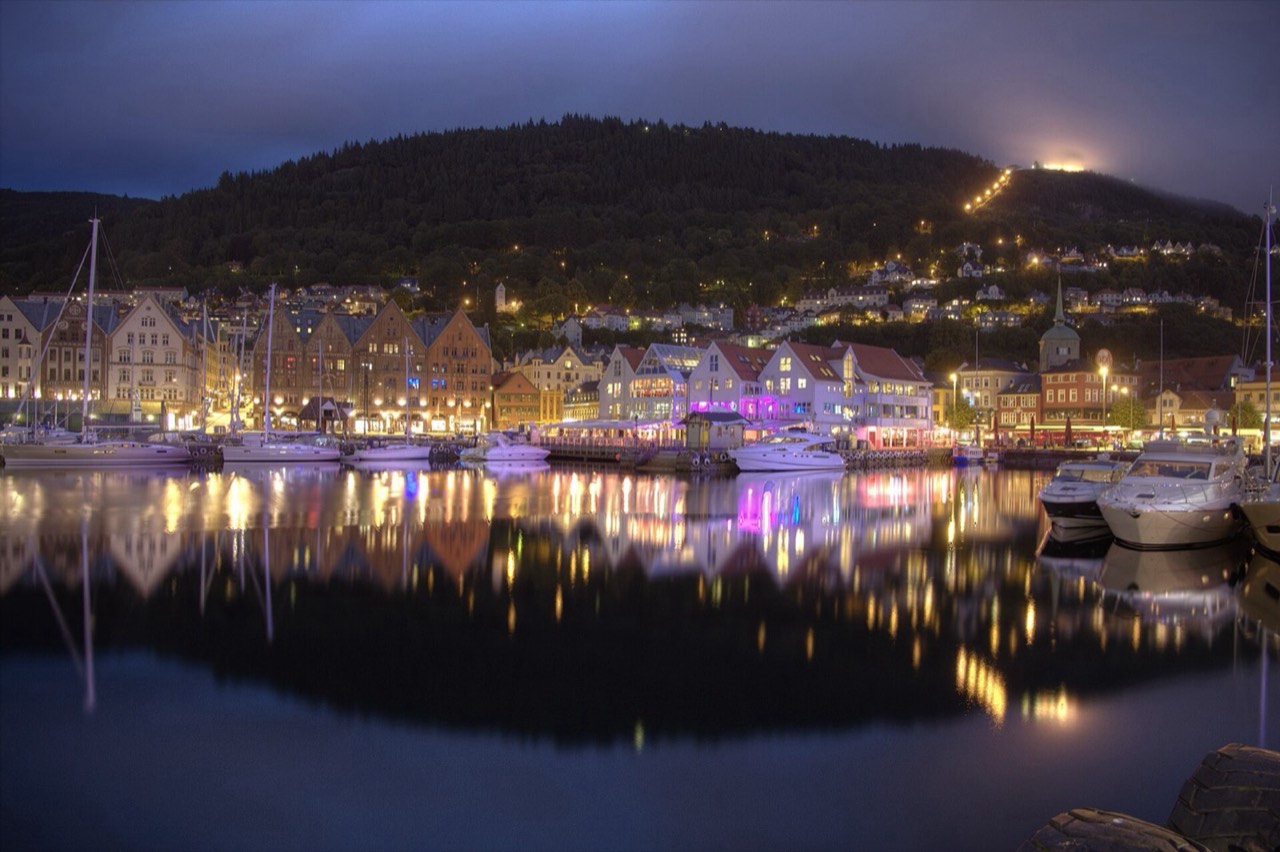
The medieval harbour connected northern fish trade with European markets. Bryggen preserves old trading-yard layouts despite repeated fires changing its buildings; Bergenhus recalls royal and military power.
Maritime commerce is visible in Bryggen’s yards and local cuisine. Workshops and small shops work behind the façades; residential and service entrances are not visitor passages.
Respect homes, services and active military premises. Keep paths and landings clear when photographing; check museum photography rules separately.
Places
Bryggen
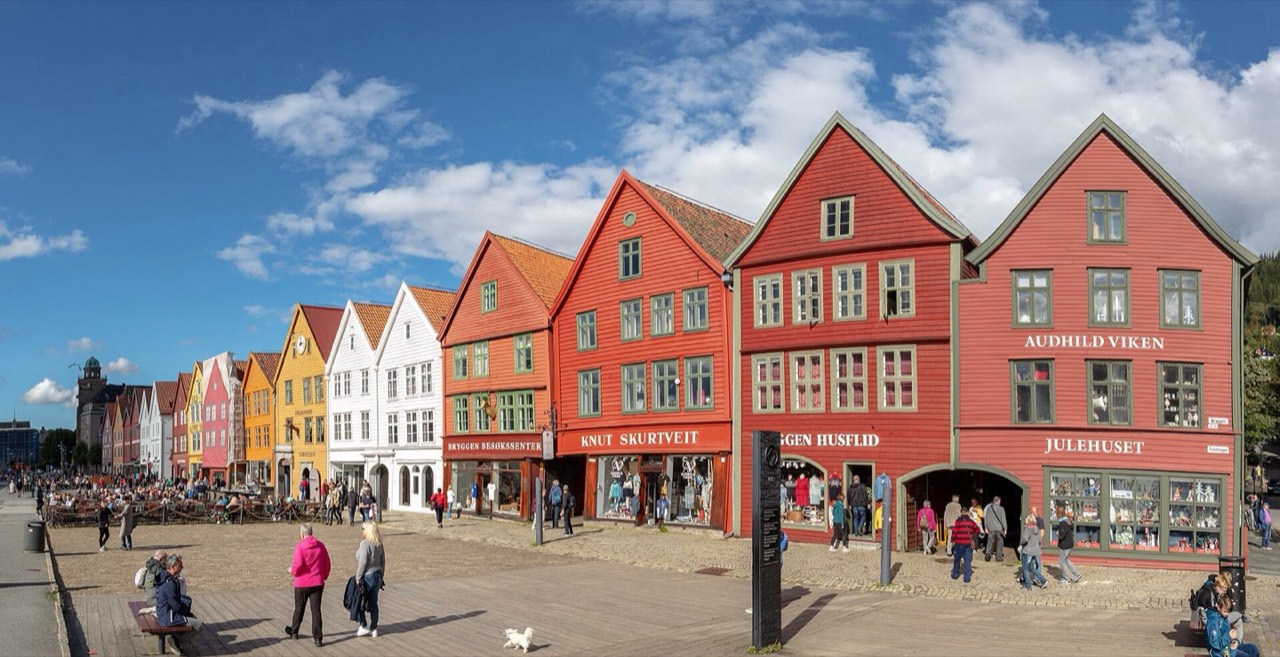
Wooden trading houses and narrow passages beside Vågen.
Hanseatic commerce shaped the quarter. After the 1702 fire, yards were rebuilt on earlier foundations; the present buildings are not all medieval.
Explains the trading port’s organisation.
Respect private rooms. Protect wooden structures; museums and workshops have separate hours and access rules.
Bergenhus Fortress
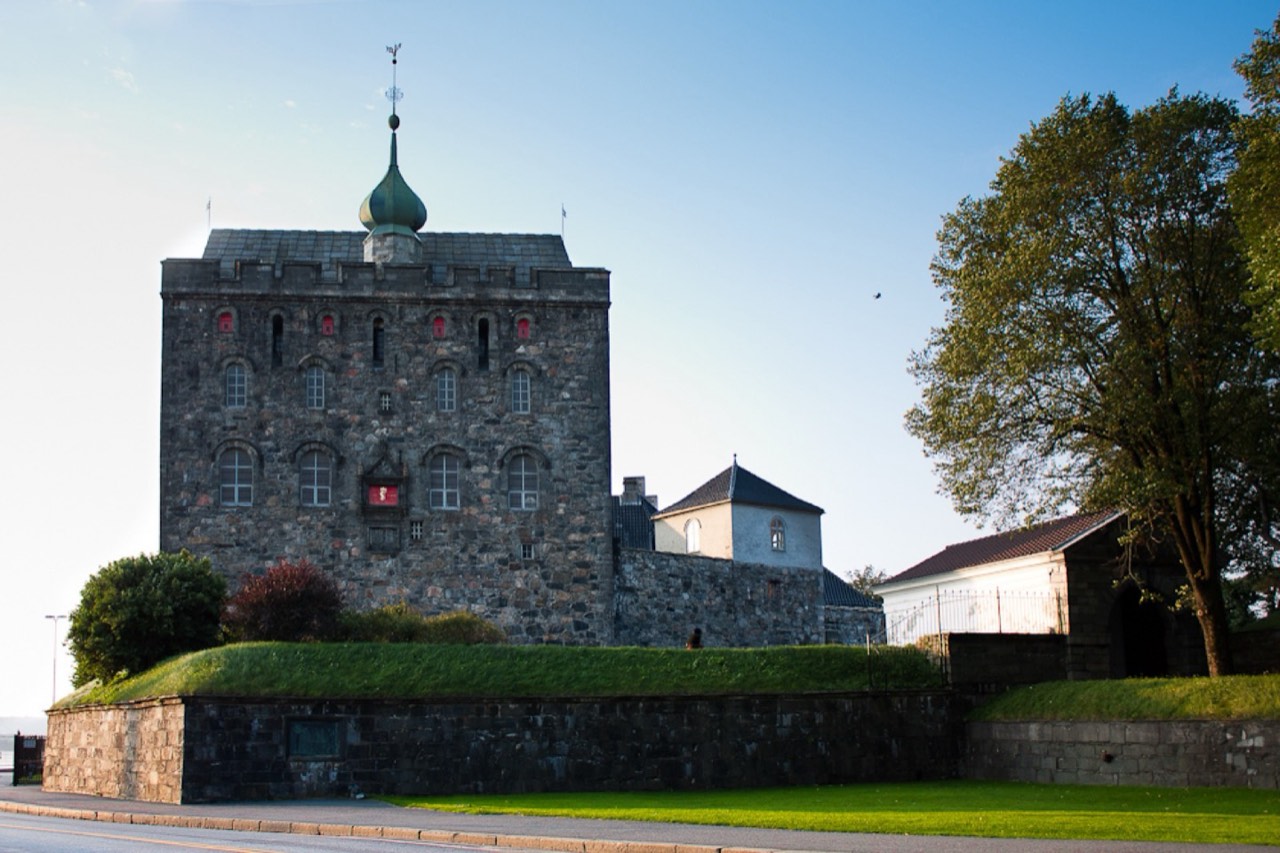
Historic fortifications and green grounds at the harbour’s northern approach.
The area served royal, religious and military power. Fortifications expanded in the sixteenth to eighteenth centuries; buildings damaged in 1944 were later restored.
Shows the harbour’s strategic role.
Public grounds and museums have different access rules. Events may cause closures; respect service boundaries in this active complex.
Fish Market
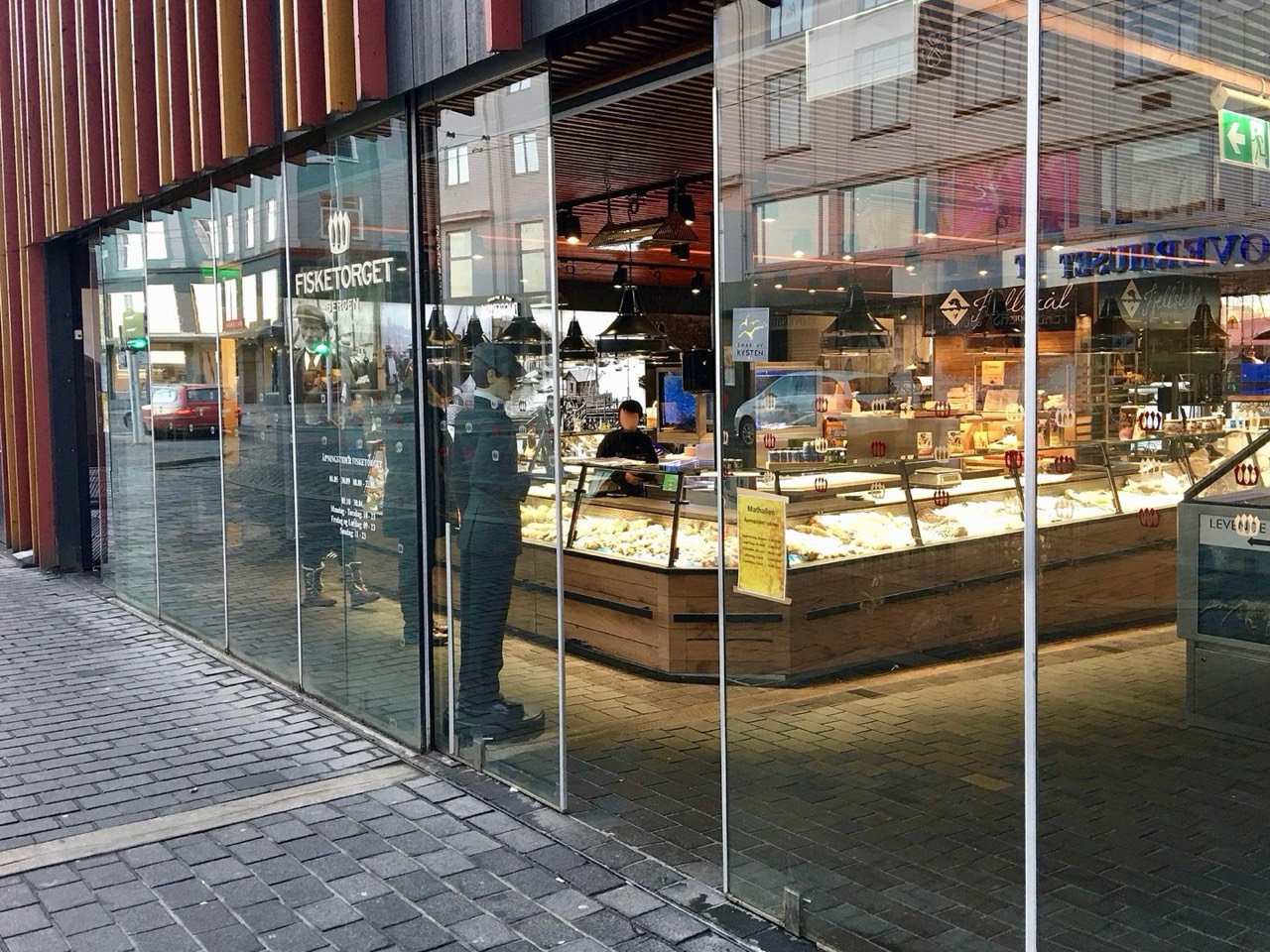
Seafood trading area between harbour and centre.
The market has connected fishers, farmers and residents since the thirteenth century. Indoor Mathallen opened in 2012.
A living link between port history and food.
Outdoor stalls are seasonal; indoor traders have their own hours. Check weight, price and allergens before ordering; meals are outside the walk time.
Mount Fløyen
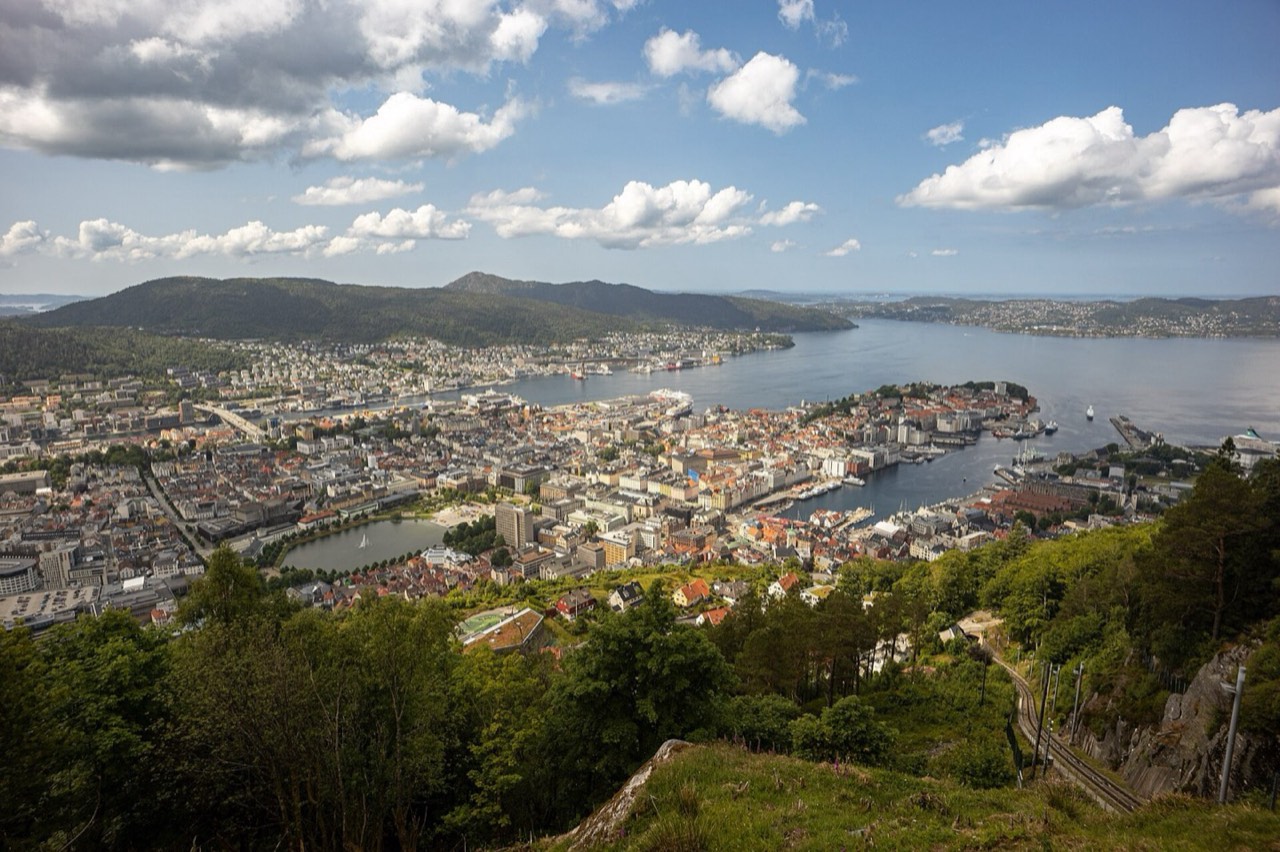
Mountain viewpoint above the city.
Fløibanen has linked the centre with Fløyen since 1918. Its upper station is approximately 320 metres above sea level.
Reveals the harbour and surrounding terrain.
This is a separate outing, not a stop on our urban walks. Buy funicular admission and check weather; walking uphill needs its own time and equipment planning.
St Mary’s Church
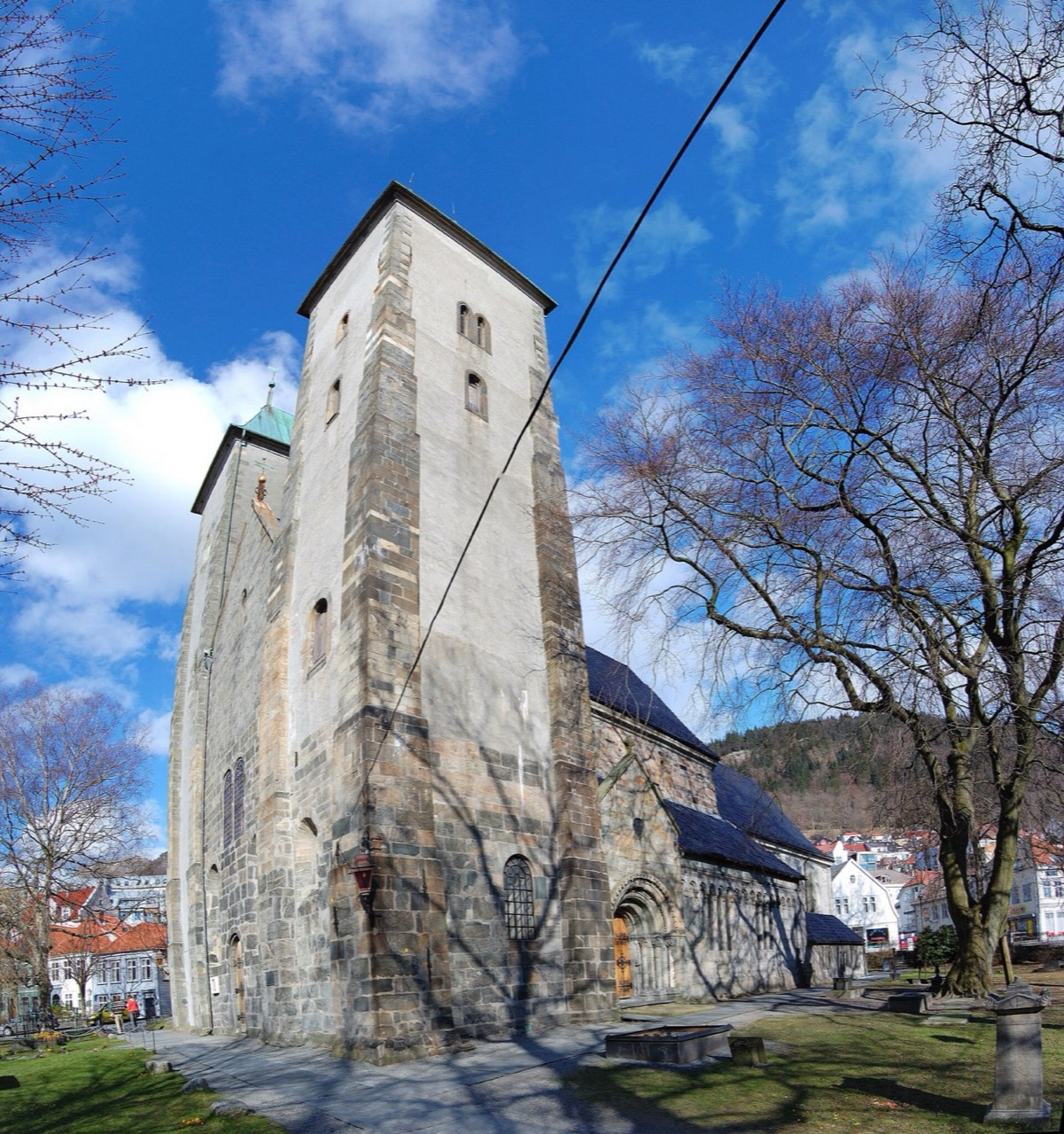
Medieval twin-towered church behind Bryggen.
Architectural evidence places it around 1130–1170. Despite fires and restorations, it remains Bergen’s oldest surviving building.
Adds religious context to the trading quarter.
Visitor hours are limited and differ from services. The exterior stop does not guarantee entry; keep quiet.
St John’s Church
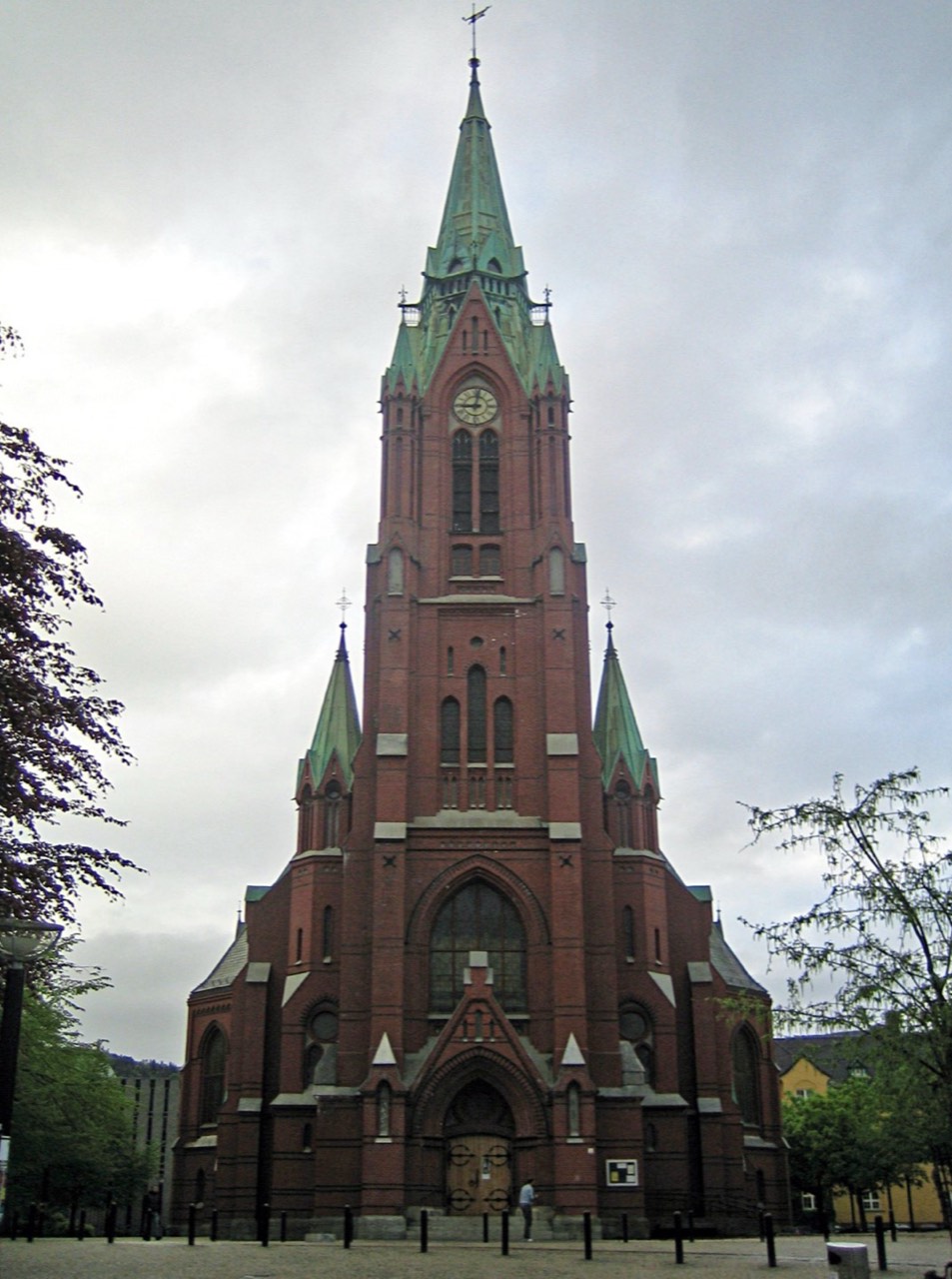
Neo-Gothic church on Sydnes hill.
The 1894 church is known for its tall tower. It is undergoing lengthy rehabilitation due to moisture and masonry damage.
Shows late-nineteenth-century religious architecture.
The tower is wrapped in scaffolding and protective covering; older photos show its pre-work appearance. Stay outside barriers. Interior access is limited; the walk views the exterior from a safe point.
Walking routes
Harbour and fortifications
From the Fish Market follow the harbour to Bryggen, then Bergenhus public paths. Trading yards do not substitute for museum visits; towers and halls are separate.
1.2 km · 100 min
- Fish Market · 20 min at stop
- Bryggen · 25 min at stop
- Bergenhus Fortress · 20 min at stop
Medieval church and trading yards
From St Mary’s take accessible Bryggen passages to the Fish Market. This stays at city level; the ascent to Fløyen is excluded.
1 km · 95 min
- St Mary’s Church · 20 min at stop
- Bryggen · 25 min at stop
- Fish Market · 20 min at stop
Sydnes and the harbour
From a safe exterior point by St John’s descend along open streets via Torgallmenningen to the market and Bryggen. Expect slopes and steps; do not cross restoration barriers.
1.9 km · 110 min
- St John’s Church · 20 min at stop
- Fish Market · 20 min at stop
- Bryggen · 25 min at stop
Food
Persetorsk
Bergen cod cured under pressure with salt and sugar.
Serving varies; check egg-butter sauce and availability.
Bergen fish soup
Local creamy fish-soup tradition with vegetables and a lightly sweet-sour note.
Recipes vary; check dairy and seafood.
Fish cakes
Fish cakes form part of the local harbour cuisine.
Ask which fish is used and whether they contain milk.
Raspeballer
Potato-and-flour dumplings: a western Norwegian tradition.
Accompaniments and stock may contain meat; check ingredients.
Skillingsbolle
Bergen cinnamon bun with butter and sugar.
Try one fresh at a bakery; contains wheat and usually dairy.
Practical information
Skyss runs buses and Bybanen light rail. Your ticket must cover the required zones; Bergen and Flesland Airport are in zone A. Line 1 links the airport with the centre. Skyss tickets are not the same as Flybussen or Fløibanen admission; check the operator and current disruptions.
110: fire, 112: police, 113: medical emergencies. Wet wooden decking and cobbles can be slippery; mountain trails differ from urban walks. Respect restoration barriers, particularly around St John’s tower.
Money and payments
Currency: Norwegian krone, NOK. Cards are common; check foreign-card acceptance. Some cash is useful for small purchases, but check transport payment methods separately.
Tipping
Tips are discretionary. You may tip for good restaurant or bar service; no percentage is mandatory.
Transport
Skyss runs buses and Bybanen light rail. Your ticket must cover the required zones; Bergen and Flesland Airport are in zone A. Line 1 links the airport with the centre. Skyss tickets are not the same as Flybussen or Fløibanen admission; check the operator and current disruptions.
Emergency help
110: fire, 112: police, 113: medical emergencies. Give your address or location and incident. 116 117 is for urgent healthcare that cannot wait but is not life-threatening; for life-threatening emergencies call 113. Sources: dsb.no and helsenorge.no.
Electricity
Supply: 230 V / 50 Hz, continental European sockets. Check your plug and appliance voltage; an earthed appliance needs an adapter preserving earthing. A plug adapter does not convert voltage.
Connectivity
Check your SIM’s roaming plan and data cap; conditions depend on the operator. Save maps and accommodation details offline, charge your phone and check transport-app requirements for displaying tickets.
Verified sources and photo licences
- Norwegian DSB: separate emergency numbers 110/112/113 · www.dsb.no
- Norwegian Directorate of Health: medical emergency 113 · www.helsenorge.no
- Helsenorge: urgent non-life-threatening healthcare 116 117 · www.helsenorge.no
- Visit Norway: NOK, payment acceptance and discretionary tips · www.visitnorway.com
- Norwegian energy regulator NVE: 230 V / 50 Hz · veiledere.nve.no
- Visit Norway: European sockets and mobile communications · www.visitnorway.com
- Local operator: tickets and current service guidance · www.skyss.no
- Skyss: airport light rail line 1, express-bus separate operator · www.skyss.no
- Skyss: airport express tickets sold separately · www.skyss.no
- Visit Bergen: Hanseatic trade, reconstruction and UNESCO heritage · en.visitbergen.com
- Bergen pressed cod with salt and sugar · en.visitbergen.com
- Bergen fish soup: varied recipes and creamy sweet-sour tradition · en.visitbergen.com
- Visit Bergen: local fish-cake tradition · en.visitbergen.com
- Visit Bergen: potato dumplings and accompaniments · en.visitbergen.com
- Bergen cinnamon bun · en.visitbergen.com
- Bryggen · en.visitbergen.com
- Bergenhus Fortress · en.visitbergen.com
- Fish Market · en.visitbergen.com
- Mount Fløyen · www.floyen.no
- St Mary’s Church · en.visitbergen.com
- St John’s Church · en.visitbergen.com