
History and culture
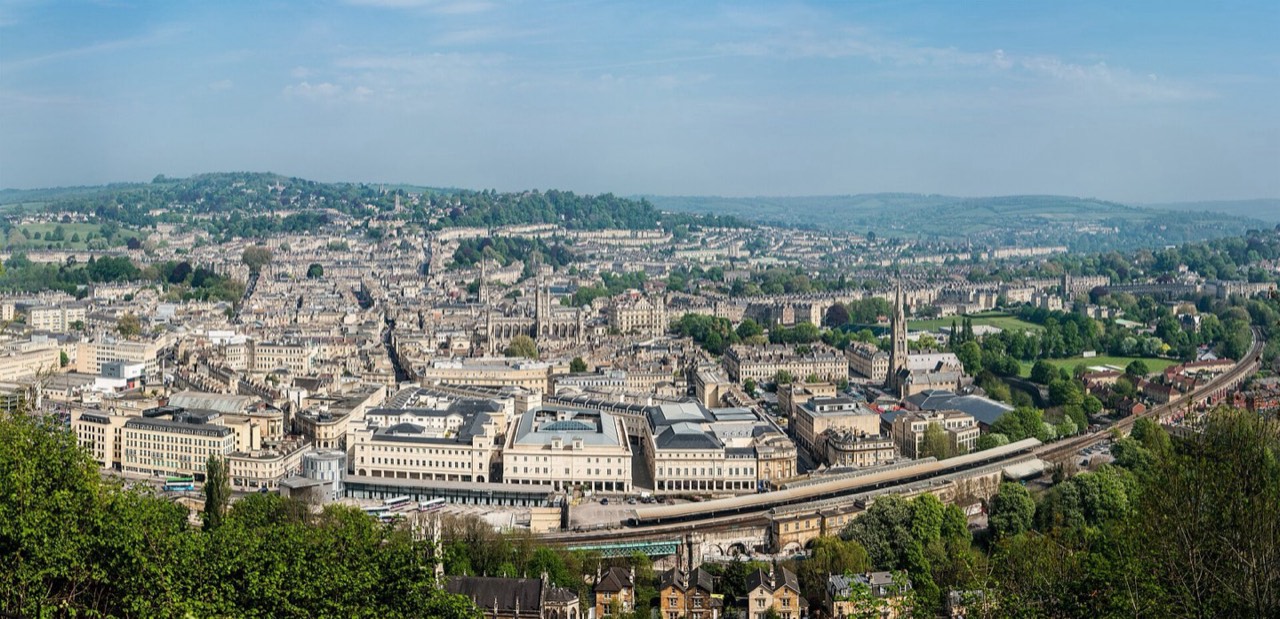
The city grew around hot springs and Roman baths. Medieval wool trade preceded the eighteenth-century spa’s squares and curving terraces, central to its UNESCO heritage.
Spa history meets literary memory, smaller museums and teatime traditions. Georgian houses remain homes: attractive façades do not imply public access.
Respect queues and worshippers. Traffic drives on the left: look both ways before crossing.
Places
Roman Baths
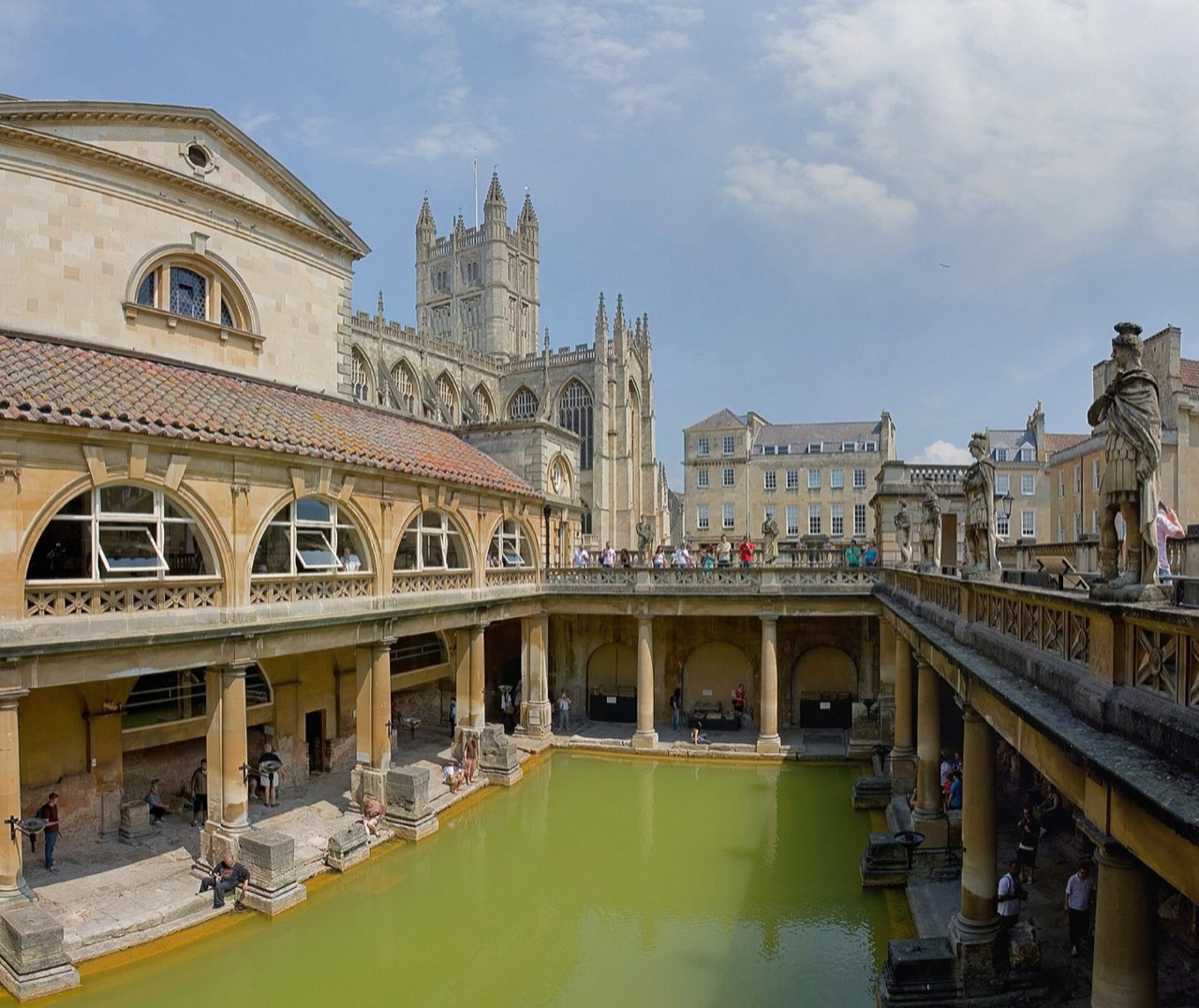
An archaeological complex around the hot spring.
Roman bathing and religious buildings used the natural spring; later structures frame surviving ancient levels.
The key site for understanding why Bath developed here.
Book official admission. This is a museum, not a swimming pool; visiting time is additional to the walk.
Bath Abbey
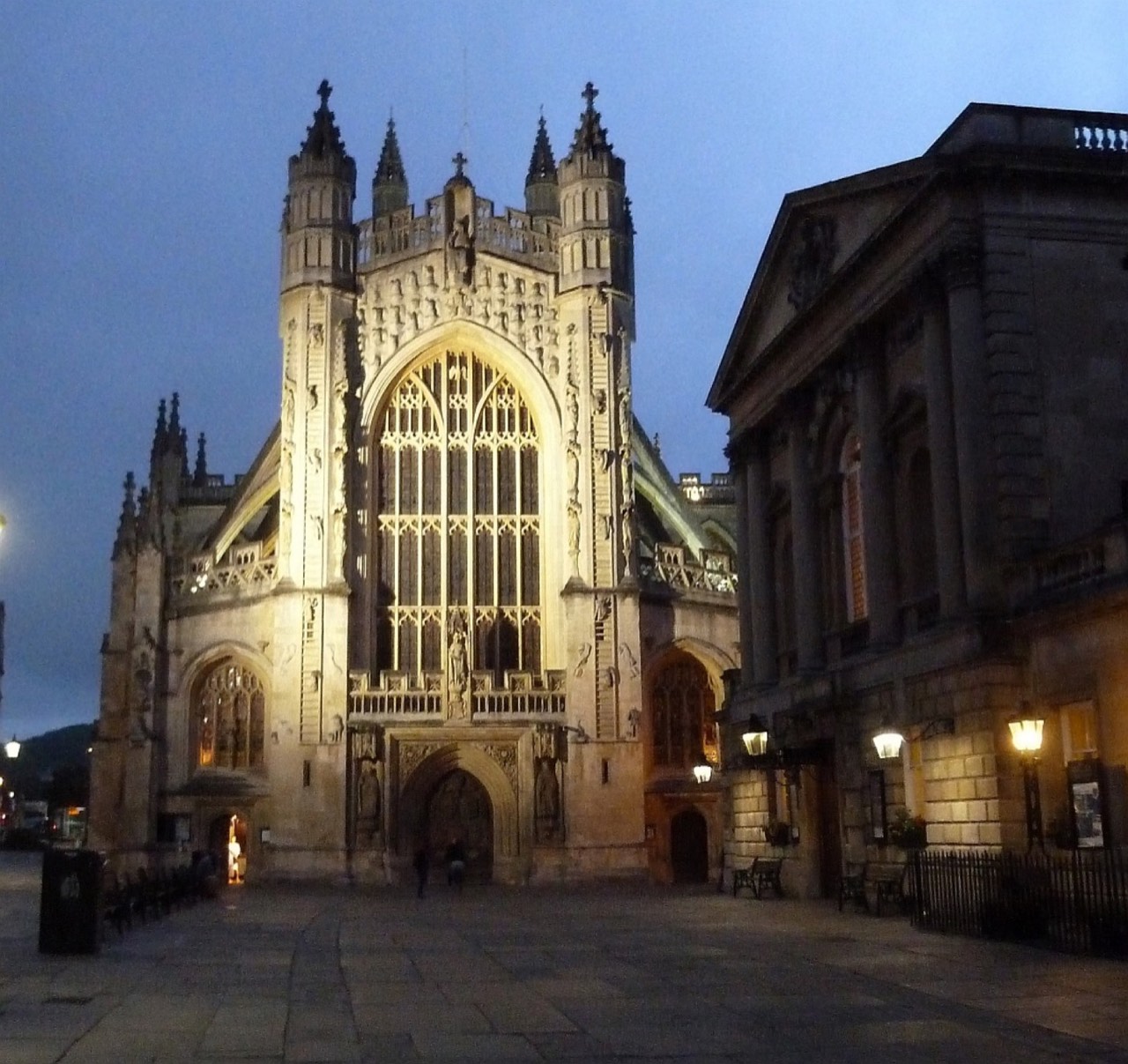
A Gothic church at the centre of the spa city.
Successive Christian churches occupied the site; the present building and later restorations continue that religious history.
Contrast the church’s vertical Gothic lines with Georgian terraces.
Sightseeing admission is paid; prayer and services have separate arrangements. Tower tours require separate booking.
Pulteney Bridge
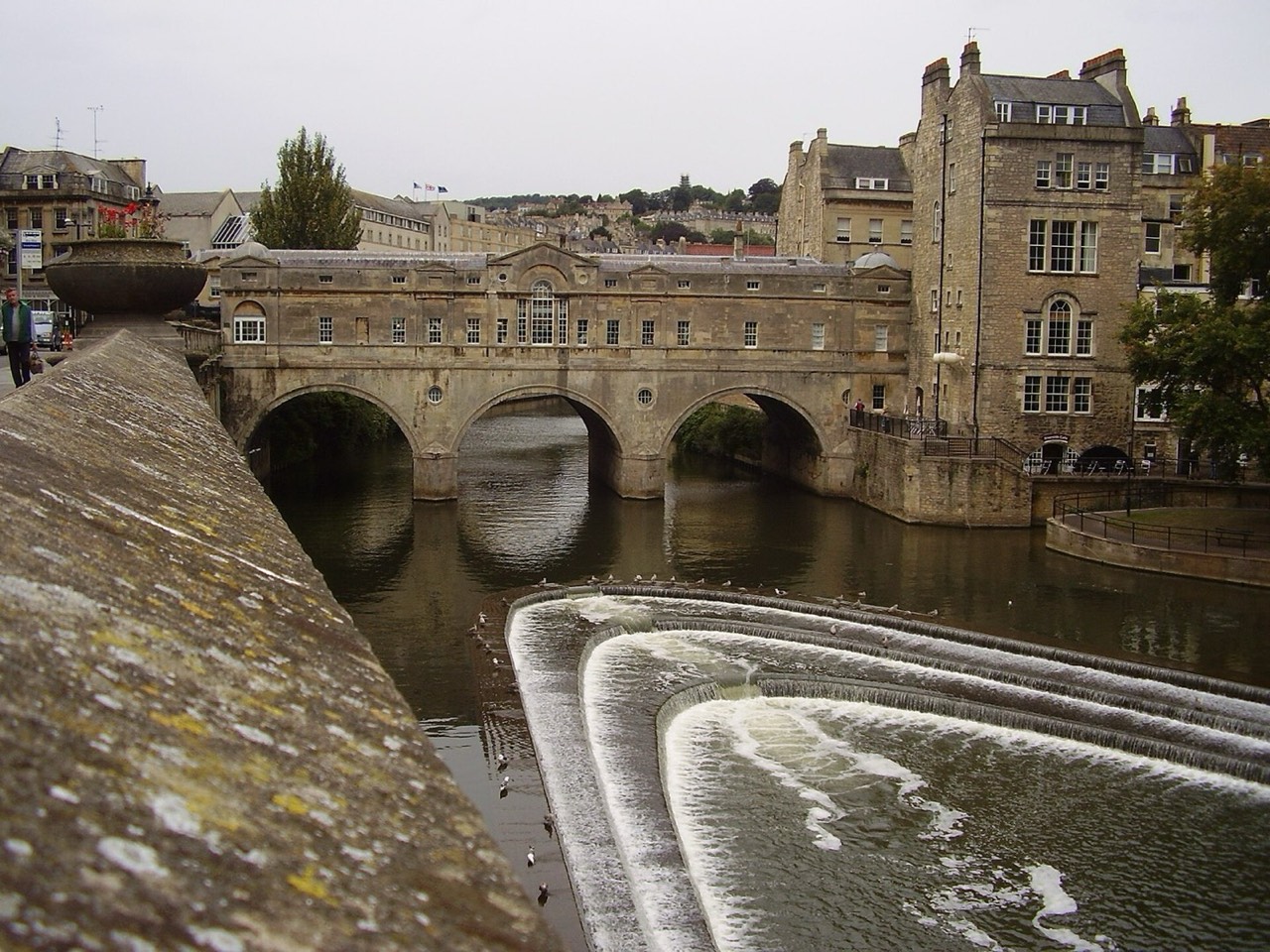
A historic bridge lined with shops across the Avon.
The eighteenth-century bridge linked the centre with new development across the river; shopfronts conceal its structure.
The riverside reveals its arches, weir and relationship with the river.
Photograph from the public riverside; do not enter the weir or water.
The Circus
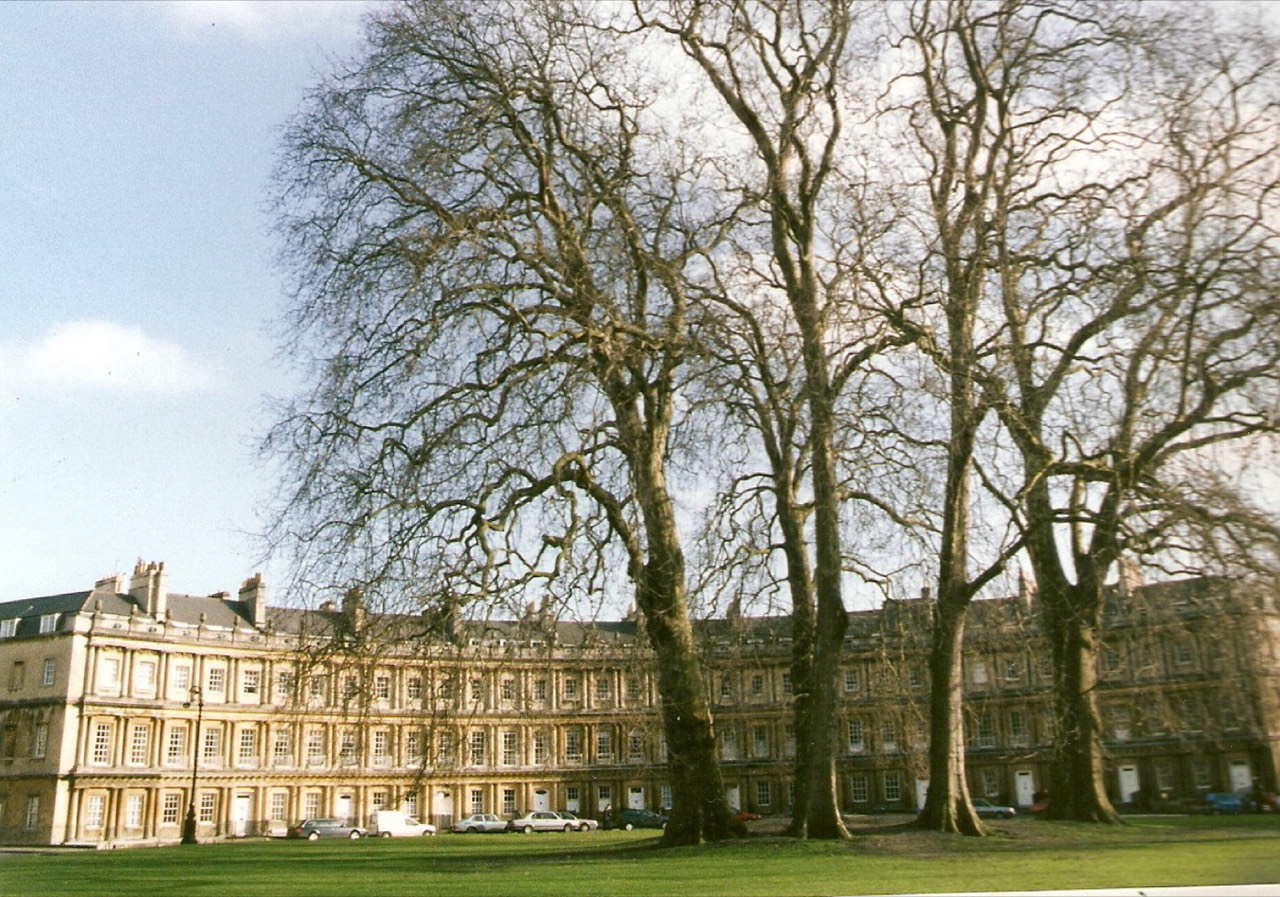
A circular space framed by three Georgian terraces.
John Wood the Elder arranged houses as a unified classical ensemble with repeated columns and decorative details.
See how repeated façades turn a residential space into an architectural composition.
These are homes: keep out of private gardens and do not obstruct entrances.
Royal Crescent
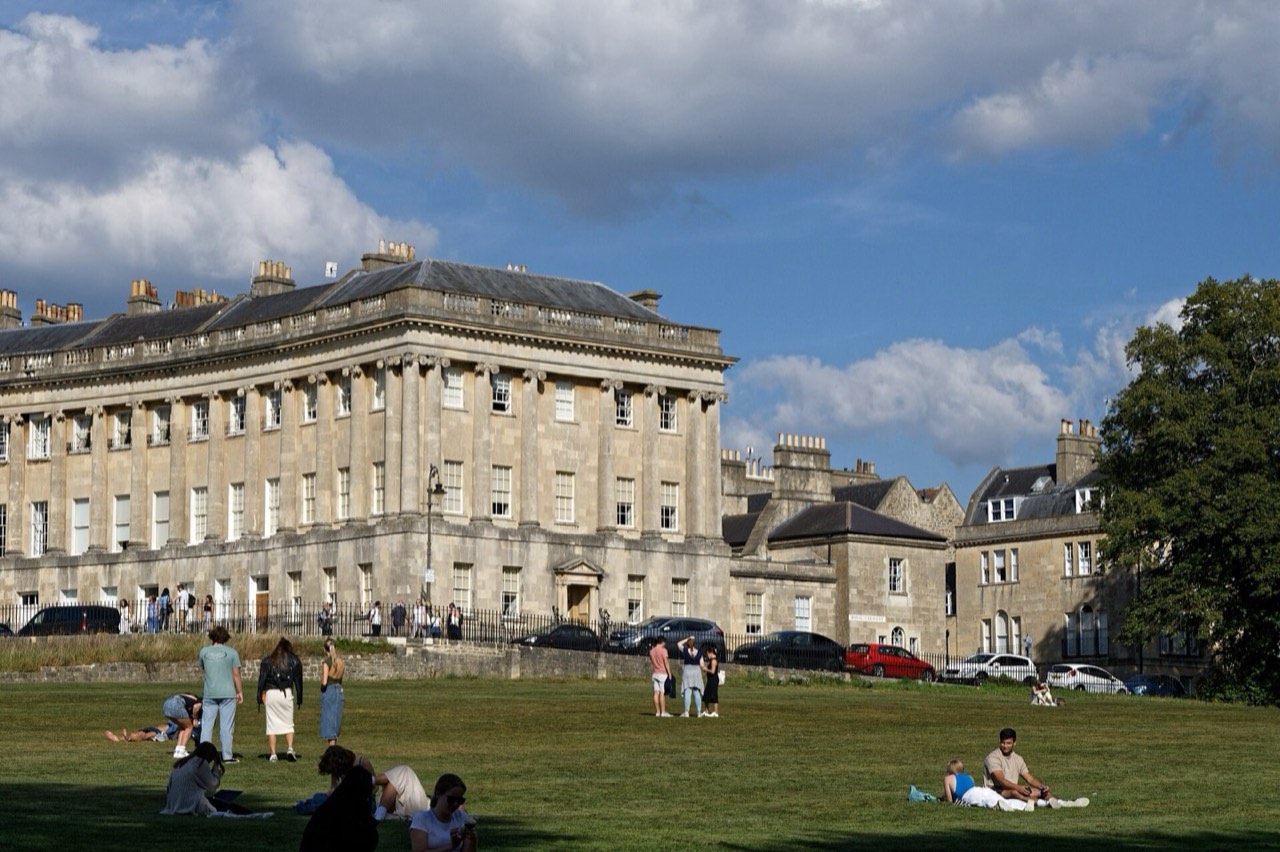
A curving residential terrace above a broad lawn.
John Wood the Younger’s ensemble expresses an eighteenth-century ideal of combining urban houses with open landscape.
The unified façade, curve and green space are best understood together.
View the façade from public paths; No. 1 museum admission is separate. Allow for the uphill approach.
Holburne Museum
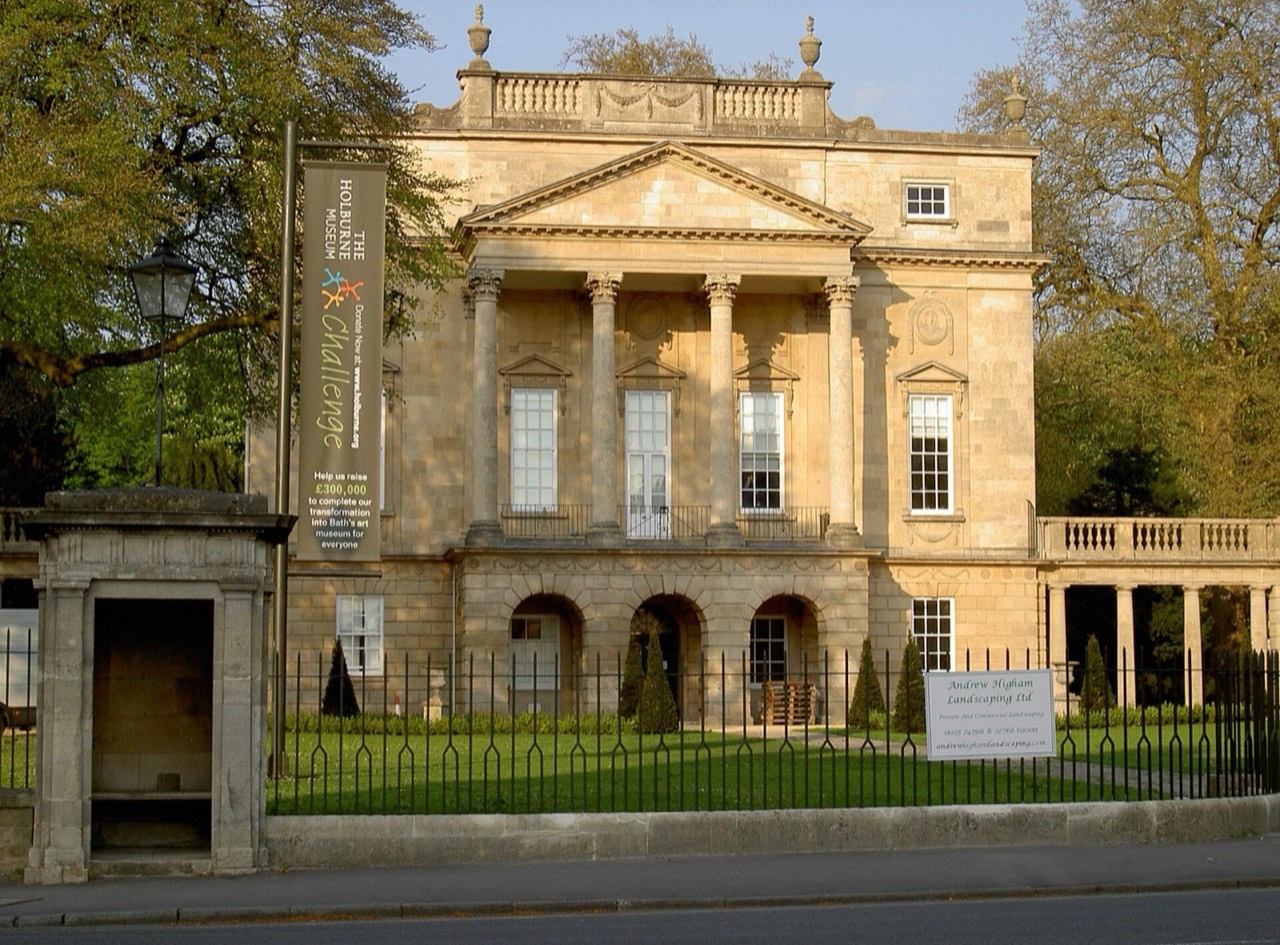
An art collection beside Sydney Gardens.
A former spa hotel became a home for an art collection; its modern extension adds a new relationship with the garden.
A manageable museum pairs art with a Great Pulteney Street walk.
Check admission, exhibitions and opening hours; an indoor visit is not included in route time.
Walking routes
The spring and the Avon
Baths, Abbey and bridge views from the riverside. Time includes exterior stops; add Baths and Abbey admission separately.
0.9 km · 70 min
- Roman Baths · 15 min at stop
- Bath Abbey · 15 min at stop
- Pulteney Bridge · 20 min at stop
The Georgian arc
Climb from the bridge through the centre to the Circus and Royal Crescent. An uphill walk viewing private homes from public streets.
1.5 km · 90 min
- Pulteney Bridge · 15 min at stop
- The Circus · 20 min at stop
- Royal Crescent · 25 min at stop
Along Great Pulteney Street
From the Abbey across the bridge to the Holburne and Sydney Gardens entrance. Paid museum visits are additional.
1.3 km · 75 min
- Bath Abbey · 15 min at stop
- Pulteney Bridge · 15 min at stop
- Holburne Museum · 20 min at stop
Food
Sally Lunn bun
A large light bun associated with the historic Sally Lunn’s house.
Served with sweet or savoury toppings; it is distinct from a Bath bun.
Bath bun
A sweet yeast bun with sugar, part of local teatime traditions.
Try with tea; ask about raisins and other additions.
Bath Olivers
Savoury biscuits named after physician William Oliver.
Pair with local cheese; check package allergens.
Somerset Cheddar
A regional cheese from the Bath area, not invented in the city itself.
Compare younger and matured cheese in small portions.
Somerset cider
An apple drink rooted in the local countryside, with dry and sweet versions.
Check alcohol strength; apple juice is a separate non-alcoholic product. Never drive after drinking.
Practical information
Walk the centre from Bath Spa station. Use buses and Travelwest for outer areas; Royal Crescent involves an uphill walk and paving can be slippery.
Call 999 or 112 in an emergency. Keep phones and documents secure in crowds; take care on wet paving.
Money and payments
Currency: pound sterling, GBP. Cards are widely accepted; check payment options at small shops.
Tipping
Tips are optional. Check for an included service charge before adding more.
Transport
Walk the centre from Bath Spa station. Use buses and Travelwest for outer areas; Royal Crescent involves an uphill walk and paving can be slippery.
Emergency help
Call 999 or 112 for police, fire or ambulance. Give your location and required service. Official source: gov.uk/guidance/999-and-112-the-uks-national-emergency-numbers.
Electricity
Type G sockets with three rectangular pins; 230 V / 50 Hz. European plugs require an adapter.
Connectivity
Check roaming charges before travelling. A local SIM or eSIM needs an unlocked compatible phone; save maps offline.
Verified sources and photo licences
- UK national emergency numbers · www.gov.uk
- British travel essentials · www.visitbritain.com
- Local transport information · www.visitbath.co.uk
- City of Bath heritage · whc.unesco.org
- Bath landmarks · www.visitbath.co.uk
- Bath local specialities · www.visitbath.co.uk
- Bath and Somerset produce · www.visitbath.co.uk
- Roman Baths · www.romanbaths.co.uk
- Bath Abbey · www.bathabbey.org
- Pulteney Bridge · www.visitbath.co.uk
- The Circus · www.visitbath.co.uk
- Royal Crescent · www.visitbath.co.uk
- Holburne Museum · holburne.org